Monday, August 29, 2011

Aquarius Rising

In mythology and astrology, Aquarius is known as the water-bearer. For NASA, Aquarius is the space agency's first new Earth-watching tool—actually, water-watching—since 2008.

At 7:20:13 a.m. Pacific Daylight Time on June 10, 2011, the Aquarius/SAC-D observatory was launched on a Delta II rocket from Vandenberg Air Force Base in California. About an hour later, the satellite separated from the rocket's second stage, established communication with ground controllers, and unfurled its solar arrays. Initial reports showed the observatory to be in excellent health, and operators will spend the next few weeks maneuvering it into a polar orbit and turning on the sensors.

The satellite is a joint project of Argentina's Comision Nacionale de Actividades Espaciales. NASA's Jet Propulsion Laboratory and NASA's Goddard Space Flight Center. The full name of the spacecraft is the Satellite de Aplicaciones Scientifics-D, or SAC-D. Aquarius is a key instrument that will make NASA's first space observations of the salt content, or salinity of the ocean.

Salinity has traditionally been measured from ships and robotic ocean sensors. Aquarius will map the open ocean once every seven days for at least three years, allowing scientists to make the first global maps of salinity in the surface layer. Observing changes in salinity helps scientists understand ocean circulation and currents, the global water cycle and other fundamental features of the seas.

Super Typhoon Nanmadol


Nanmadol formed as a tropical depression over the western Pacific Ocean on August 22, 2011. It strengthened to a tropical storm a day later, and by August 26, it was a super typhoon.The Moderate Resolution Imaging Spectroradiometer (MODIS) on NASA’s Aqua satellite captured this natural-color image of Super Typhoon Nanmadol at 12:50 p.m. Manila time on August 26, 2011. The eye of the storm appears east of the northern Philippines, and Nanmadol spans hundreds of kilometers.

As of 11:00 p.m. Manila time on August 26, 2011, the U.S. Navy’s Joint Typhoon Warning Center (JTWC) reported that Nanmadol had maximum sustained winds of 135 knots (250 kilometers, or 155 miles, per hour) and gusts up to 165 knots (305 kilometers, or 190 miles, per hour). The storm was located roughly 585 nautical miles (1,085 kilometers, or 675 miles) south-southwest of Kadena Air Base, Japan. The storm was forecast to continue traveling toward the north-northwest before turning toward the northeast.

On August 26, 2011, the Associated Press reported that at least one person in the Philippines was missing and several towns in the northern Philippines were flooded by heavy rains from the slow-moving storm.

Thursday, August 25, 2011

NASA's Mission Finds First Trojan Asteroid Sharing Earth's Orbit

Astronomers studying observations taken by NASA's Wide-field Infrared Survey Explorer (WISE) mission have discovered the first known "Trojan" asteroid orbiting the sun along with Earth.

Trojans are asteroids that share an orbit with a planet near stable points in front of or behind the planet. Because they constantly lead or follow in the same orbit as the planet, they never can collide with it. In our solar system, Trojans also share orbits with Neptune, Mars and Jupiter. Two of Saturn's moons share orbits with Trojans.

Scientists had predicted Earth should have Trojans, but they have been difficult to find because they are relatively small and appear near the sun from Earth's point of view.

"These asteroids dwell mostly in the daylight, making them very hard to see," said Martin Connors of Athabasca University in Canada, lead author of a new paper on the discovery in the July 28 issue of the journal Nature. "But we finally found one, because the object has an unusual orbit that takes it farther away from the sun than what is typical for Trojans. WISE was a game-changer, giving us a point of view difficult to have at Earth's surface."

The asteroid is roughly 1,000 feet (300 meters) in diameter. It has an unusual orbit that traces a complex motion near a stable point in the plane of Earth's orbit, although the asteroid also moves above and below the plane. The object is about 50 million miles (80 million kilometers) from Earth. The asteroid's orbit is well-defined and for at least the next 100 years, it will not come closer to Earth than 15 million miles (24 million kilometers).

Tuesday, May 03, 2011

NASA Endeaour lauch postponed


NASA once again postponed the date of space shuttle Endeavour launch on May 10 due to technical difficulties, the earliest possible launch date for the space shuttle Endeavour is Tuesday. Shuttle managers will meet on Friday to discuss about launch date. NASA discovered that Endeavour's auxiliary power unit had failed. NASA quickly shut things down for further detection then discovered a problem with a box of switches that controls power feeds, known as the aft load control assembly-2(ALCA-2).

The problem in the unit, which performs key functions for the spacecraft's control and landing systems, forced officials to postpone the launch, which was to have been attended by President Barrack Obama and Arizona Rep. Gabrielle Gifford’s the latter of whom is recovering and undergoing intensive therapy after being shot in the head in January in an assassination attempt and whose husband Mark Kelly heads the shuttle mission.

NASA said that technicians began testing the systems associated with the heaters on Saturday afternoon and continued with that task into the night. The test results indicated that the problem is localized in the ALCA-2 element of the shuttle. The teams are working on a plan to replace the control box and any hardware linked to the defect. The mission's six astronauts quickly left Florida for the Johnson Space Center in Houston, Texas, for a few days of "additional training" before returning to Cape Canaveral for a new launch attempt.

Endeavour will carry to the International Space Station is the Alpha Magnetic Spectrometer. It will be used to measure cosmic rays to gain a better understanding of cosmic radiation; a challenge for long-duration spaceflight. It might also help uncover the mysteries involved in dark matter or missing antimatter, NASA said. The 15,000-pound AMS is expected to be operational for the rest of the station's life; at least 10 years.

Friday, April 29, 2011

NASA's latest endeavor


The 6 astronauts are planned to raise off into space on shuttle Endeavour’s final mission today, reminding the world of the United States’ sustained leadership in space. And while Endeavour will complete its final voyage, the Obama administration’s commitment to human exploration remains as strong as ever. American astronauts keep on to live and work aboard the International Space Station 24 hours a day, as they have for more than 10 years. And this critical research facility in low- Earth orbit will continue to be the anchor of our human spaceflight for the next decade.

NASA is committed to maintaining America’s leadership role in human exploration and sending U.S. astronauts into space aboard American-made spacecraft. It’s time for NASA to get out of the expensive business of owning and operating space transportation systems to service the International Space Station, and focus our limited resources on developing new vehicles to take us farther into deep space. We recognize this is a difficult time for much of the devoted workforce that has made the shuttle program the incredible success it has been for three decades. However, this new approach will spur economic activity, create jobs and allow NASA to focus on the really hard stuff such as sending humans to an asteroid or Mars.

President Obama’s fiscal year 2012 budget achieves these ambitious goals by supporting all the elements of a hard-won, bipartisan NASA Authorization Act. It’s a budget that will help the nation win the future through innovation, expanded technological capabilities and strengthened U.S. competitiveness in the global marketplace. NASA education programs give students hands-on experience with spacecraft and interaction with the people carrying out challenging science and engineering missions. We’re also providing fellowships and inspiration to talented graduate students who hold promise as future leaders and whose research likely will inform our future work.

NASA science represents some of the agency’s most important activities, and this year is no different. The Messenger spacecraft is orbiting Mercury and giving us the best look at that planet we’ve ever had. We’re preparing to launch a rover the size of a small car to Mars in search of the conditions that may prove to be favorable to life.

.

Thursday, April 28, 2011

skeptical evidence of alien


Alien’s life has lots of similarities when compared to our life. We are not alone in the universe as we had thought before. NASA Scientist released his groundbreaking revelations in the March edition of the Journal of Cosmology. The controversial study, which is detailed in The Journal of Cosmology, states that tiny fossil bacteria were found. If the research is confirmed, it could be used as proof that there is life on other planets and Earth may have originally come from elsewhere in the solar system.

The astrobiologist Richard Hoover said that there is evidence of microfossils like cyan bacteria blue-green algae, also known as pond scum and the detection of structures that are very similar to known terrestrial cyanobacteria is interesting in that it indicates that life is not restricted to the planet Earth. Dr Hoover who has specialized in the study of microscopic life said in a telephone interview that these microscopic structures had lots of carbon, a marker for Earth-type life, and almost no nitrogen. While seeking other scientist comments in the Journal of Cosmology about the discovery has still skeptical but not everyone.


The journal's editor-in-chief Dr Rudy commented no other paper in the history of science has undergone such a thorough vetting, and never before the scientific community has been given the opportunity to critically analyze an important research paper before it is published. Dr David Marais, an astrobiologist with NASA’s Ames Research Centre, said that it is a 'extraordinary claim' and added 'thus I'll need extraordinary evidence'.

Wednesday, April 27, 2011

Supernova


Using NASA’s Chandra X-ray Observatory, astronomers have spotted new evidence for what could trigger specific type of supernova explosion their finding provides a proof that a star can survive blasted off when a companion star goes supernova. The remnant of a supernova seen by the Danish astronomer Tycho Brahe in 1572.

There are two main types of supernovae. One is massive star which is bigger than our sun burns all its nuclear fuel and collapses in on itself. Type Ia supernovae, however, are different. Smaller stars sooner or later turn into white dwarfs at the end of their lives, becoming an ultra-dense ball of carbon and oxygen about the size of the Earth, with the mass of our Sun. In some instances, ta white dwarf somehow ignites, creating an explosion so bright that it can be seen billions of light years away, across much of the Universe. But astronomers really haven’t understood what causes these explosions to start.


There are two popular theories: one scenario for Type Ia supernovas involves the fusion of two white dwarfs. In this case, no companion star or evidence for material blasted off a companion should exist. In the other theory, a white dwarf pulls material from a normal,or Sun-like, companion star until a thermonuclear explosion occurs.

The researchers analyses a deep Chandra observation of Tycho and establish an arc of X-ray emission in the supernova remnant. Evidence supports the conclusion that a shock wave created the arc when a white dwarf exploded and blew material off the surface of a nearby companion star. The new observations, however, support the latter one.

Tuesday, April 26, 2011

NASA Space Shuttle


Members at NASA's Kennedy Space Center have started preparations for space shuttle to launch. Endeavour’s six-man crew members are planned to fly into the Kennedy Space Center on Tuesday afternoon. It will be live telecast on NASA TV. Endeavour's launch has been getting a lot of attention, with planned visits by U.S President Barack Obama.


Scheduling conflicts at the International Space Station forced NASA to push the mission forward by 10 days, to Friday, April 29. Still, the astronauts squeezed in a few days of dress rehearsals, including practice countdowns and escape drills. This morning, a pre-countdown status briefing also will be held live on NASA TV at 10 a.m.

Wednesday, January 12, 2011

First Rocky Planet - Kepler-10b


NASA's Kepler mission confirmed the discovery of its first rocky planet, named Kepler-10b. Measuring 1.4 times the size of Earth, it is the smallest planet ever discovered outside our solar system.

The discovery of this so-called exoplanet is based on more than eight months of data collected by the spacecraft from May 2009 to early January 2010.

"All of Kepler's best capabilities have converged to yield the first solid evidence of a rocky planet orbiting a star other than our sun," said Natalie Batalha, Kepler's deputy science team lead at NASA's Ames Research Center in Moffett Field, Calif., and primary author of a paper on the discovery accepted by the Astrophysical Journal. "The Kepler team made a commitment in 2010 about finding the telltale signatures of small planets in the data, and it's beginning to pay off."

Kepler's ultra-precise photometer measures the tiny decrease in a star's brightness that occurs when a planet crosses in front of it. The size of the planet can be derived from these periodic dips in brightness. The distance between the planet and the star is calculated by measuring the time between successive dips as the planet orbits the star.

Kepler is the first NASA mission capable of finding Earth-size planets in or near the habitable zone, the region in a planetary system where liquid water can exist on the planet's surface. However, since it orbits once every 0.84 days, Kepler-10b is more than 20 times closer to its star than Mercury is to our sun and not in the habitable zone.

Kepler-10 was the first star identified that could potentially harbor a small transiting planet, placing it at the top of the list for ground-based observations with the W.M. Keck Observatory 10-meter telescope in Hawaii.

Scientists waiting for a signal to confirm Kepler-10b as a planet were not disappointed. Keck was able to measure tiny changes in the star's spectrum, called Doppler shifts, caused by the telltale tug exerted by the orbiting planet on the star.

"The discovery of Kepler-10b, a bona fide rocky world, is a significant milestone in the search for planets similar to our own," said Douglas Hudgins, Kepler program scientist at NASA Headquarters in Washington. "Although this planet is not in the habitable zone, the exciting find showcases the kinds of discoveries made possible by the mission and the promise of many more to come," he said.

"Our knowledge of the planet is only as good as the knowledge of the star it orbits," said Batalha. Because Kepler-10 is one of the brighter stars being targeted by Kepler, scientists were able to detect high frequency variations in the star's brightness generated by stellar oscillations, or starquakes. "This is the analysis that really allowed us to pin down Kepler-10b's properties.," she added.

"We have a clear signal in the data arising from light waves that travel within the interior of the star," said Hans Keldsen, an astronomer at the Kepler Asteroseismic Science Consortium at Aarhus University in Denmark. Kepler Asteroseismic Science Consortium scientists use the information to better understand the star, just as earthquakes are used to learn about Earth's interior structure. "As a result of this analysis, Kepler-10 is one of the most well characterized planet-hosting stars in the universe next to our sun," Kjeldsen said.

That's good news for the team studying Kepler-10b. Accurate stellar properties yield accurate planet properties. In the case of Kepler-10b, the picture that emerges is of a rocky planet with a mass 4.6 times that of Earth and with an average density of 8.8 grams per cubic centimeter -- similar to that of an iron dumbbell.

"This planet is unequivocally rocky, with a surface you could stand on," commented team member Dimitar Sasselov, of the Harvard-Smithsonian Center for Astrophysics in Cambridge and a Kepler co-investigator.

"All of Kepler’s best capabilities have converged for this discovery," Batalha said, "yielding the first solid evidence of a rocky planet orbiting a star other than our sun."

Ames manages Kepler's ground system development, mission operations and science data analysis. NASA's Jet Propulsion Laboratory in Pasadena, Calif., managed Kepler mission development.

Ball Aerospace and Technologies Corp. in Boulder, Colo., developed the Kepler flight system and supports mission operations with the Laboratory for Atmospheric and Space Physics at the University of Colorado in Boulder. The Space Telescope Science Institute in Baltimore archives, hosts and distributes the Kepler science data.

Monday, January 10, 2011

Chat with NASA Experts


A new planet discovery will be announced Monday Jan. 10 during the 'Exoplanets & Their Host Stars' presentation at the American Astronomical Society (AAS) conference in Seattle, Washington.

Kepler is NASA's first mission to look specifically for Earth-size planets in the habitable zones (areas where liquid water could exist) around stars like our sun. Kepler will spend 3-1/2 years surveying more than 100,000 stars in the Cygnus-Lyra region of our Milky Way galaxy. More than 300 exoplanets have been discovered previously, most of which are low-density gas giants such as Jupiter or Saturn in our own solar system.

Natalie Batalha of the NASA Kepler Mission Team will be online answering your questions about this new planet finding on Monday, Jan. 10 from 3:30 p.m. to 4:30 p.m. EST / 12:30 p.m. to 1:30 p.m. PST. Natalie will be chatting with you live from the conference in Seattle.

Joining the chat is easy. Simply visit this page on Monday from 3:30 p.m. to 4:30 p.m. EST / 12:30 p.m. to 1:30 p.m. PST. The chat window will open at the bottom of this page starting 15 minutes before the chat. You can log in and be ready to ask questions at 3:30 p.m.

About Dr. Natalie Batalha

Natalie Batalha is a professor of physics and astronomy at San Jose State University in the heart of Silicon Valley, California and deputy science team lead for NASA’s Kepler Mission. She holds a bachelor's in physics from the University of California (UC), Berkeley and a doctorate in astrophysics from UC Santa Cruz. Batalha started her career as a stellar spectroscopist studying young, sun-like stars. After a post-doctoral fellowship in Rio de Janeiro, Brazil, Batalha returned to California. Inspired by the growing number of exoplanet discoveries she joined the team led by William Borucki at NASA's Ames Research Center, Moffett Field, Calif., working on transit photometry -- an emerging technology for finding exoplanets. As a member of the Kepler team, Batalha is responsible for the selection of the more than 150,000 stars the spacecraft monitors and works closely with team members at Ames to identify viable planet candidates from Kepler photometry.

Giant Plumes of Gas on the Sun's Surface Help Explain Coronal Heating Mystery


Among the many constantly moving, appearing, disappearing and generally explosive events in the sun's atmosphere, there exist giant plumes of gas -- as wide as a state and as long as Earth -- that zoom up from the sun's surface at 150,000 miles per hour. Known as spicules, these are one of several phenomena known to transfer energy and heat throughout the sun's magnetic atmosphere, or corona.

Thanks to NASA's Solar Dynamics Observatory (SDO) and the Japanese satellite Hinode, these spicules have recently been imaged and measured better than ever before, showing them to contain hotter gas than previously observed. Thus, they may perhaps play a key role in helping to heat the sun's corona to a staggering million degrees or more. (A number made more surprising since the sun's surface itself is only about 10,000 degrees Fahrenheit.)

Just what makes the corona so hot is a poorly understood aspect of the sun's complicated space weather system. That system can reach Earth, causing auroral lights and, if strong enough, disrupting Earth's communications and power systems. Understanding such phenomena, therefore, is an important step towards better protecting our satellites and power grids.

"The traditional view is that all heating happens higher up in the corona," says solar physicist Dean Pesnell, SDO's project scientist at NASA's Goddard Space Flight Center in Greenbelt, Md. "The suggestion in this paper is that cool gas is ejected from the sun's surface in spicules and gets heated on its way to the corona. This doesn't mean the old view has been completely overturned, but this is a strong suggestion that part of the spicule material gets heated to very high temperatures and provides some coronal heating."

Spicules were first named in the 1940s, but were hard to study in detail until recently, says Bart De Pontieu of Lockheed Martin's Solar and Astrophysics Laboratory, Palo Alto, Calif. whose work on this subject appears in the January 7, 2011 issue of Science magazine.

In visible light, spicules can be seen to send large masses of so-called plasma – the electromagnetic gas that surrounds the sun -- up through the lower solar atmosphere or photosphere. The amount of material sent up is stunning, some 100 times as much as streams away from the sun in the solar wind towards the edges of the solar system. But nobody knew if they contained hot gas.

"Heating of spicules to the necessary hot temperatures has never been observed, so their role in coronal heating had been dismissed as unlikely," says De Pontieu.

Now, De Pontieu's team -- which included researchers at Lockheed Martin, the High Altitude Observatory of the National Center for Atmospheric Research (NCAR) in Colorado and the University of Oslo, Norway -- was able to combine images from SDO and Hinode to produce a more complete picture of the gas inside these gigantic fountains.

Tracking the movement and temperature of spicules relies on successfully identifying the same phenomenon in all the images. One complication comes from the fact that different instruments "see" gas at different temperatures. Pictures from Hinode in the visible light range, for example, show only cool gas, while pictures that record UV light show gas that is up to several million degrees.

To show that the previously known cool gas in a spicule lies side by side to some very hot gas requires showing that the hot and cold gas in separate images are located in the same space. Each spacecraft offered specific advantages to help confirm that one was seeing the same event in multiple images.

First, Hinode: In 2009, scientists used observations from Hinode and telescopes on Earth to, for the first time, identify a spicule when looking at it head-on. (Imagine how tough it is, looking from over 90 million miles away, to determine that you're looking at a fountain when you only have a top-down view instead of a side view.) The top-down view of a spicule ensures an image with less extraneous solar material between the camera and the fountain, thus increasing confidence that any observations of hotter gas are indeed part of the spicule itself.

The second aid to tracking a single spicule is SDO's ability to capture an image of the sun every 12 seconds. "You can track things from one image to the next and know you're looking at the same thing in a different spot," says Pesnell. "If you had an image only every 12 minutes, then you couldn't be sure that what you're looking at is the same event, since you didn't watch its whole history."

Bringing these tools together, scientists could compare simultaneous images in SDO and Hinode to create a much more complete image of spicules. They found that much of the gas is heated to a hundred thousand degrees, while a small fraction of the gas is heated to millions of degrees. Time-lapsed images show that this hot material spews high up into the corona, with much of it falling back down towards the surface of the sun. However, the small fraction of the gas that is heated to millions of degrees does not immediately return to the surface."Given the large number of spicules on the Sun, and the amount of material in the spicules, if even some of that super hot plasma stays aloft it would make a fair contribution to coronal heating," says Scott McIntosh from NCAR, who is part of the research team.

Of course, De Pontieu cautions that this does not yet solve the coronal heating mystery. The main result, he says, is that they're challenging theorists to incorporate the possibility that some coronal heating occurs at lower heights in the solar atmosphere. His next step is to help figure out how much of a role spicules play by studying how spicules form, how they move so quickly, how they get heated to such high temperatures in a short time, and how much mass stays up in the corona.

Astrophysicist Jonathan Cirtain, who is the U.S. project scientist for Hinode at NASA's Marshall Space Flight Center, Huntsville, Ala. points out that incorporating such new information helps address an important question that reaches far beyond the sun. "This breakthrough in our understanding of the mechanisms which transfer energy from the solar photosphere to the corona addresses one of the most compelling questions in stellar astrophysics: How is the atmosphere of a star heated?" he says. "This is a fantastic discovery, and demonstrates the muscle of the NASA Heliophysics System Observatory, comprised of numerous instruments on multiple observatories."

Hinode is the second mission in NASA's Solar Terrestrial Probes program, the goal of which is to improve understanding of fundamental solar and space physics processes. The mission is led by the Japan Aerospace Exploration Agency (JAXA) and the National Astronomical Observatory of Japan (NAOJ). The collaborative mission includes the U.S., the United Kingdom, Norway and Europe. NASA Marshall manages Hinode U.S. science operations and oversaw development of the scientific instrumentation provided for the mission by NASA, academia and industry. The Lockheed Martin Advanced Technology Center is the lead U.S. investigator for the Solar Optical Telescope on Hinode.

SDO is the first mission in a NASA science program called Living With a Star, the goal of which is to develop the scientific understanding necessary to address those aspects of the sun-Earth system that directly affect our lives and society. NASA Goddard built, operates, and manages the SDO spacecraft for NASA's Science Mission Directorate in Washington.

Thursday, January 06, 2011

Andromeda spiral galaxy is So Hot and Cold


This mosaic of the Andromeda spiral galaxy highlights explosive stars in its interior, and cooler, dusty stars forming in its many rings. The image is a combination of observations from the Herschel Space Observatory taken in infrared light (seen in orange hues), and the XMM-Newton telescope captured in X-rays (seen in blues). NASA plays a role in both of these European Space Agency-led missions.

Herschel provides a detailed look at the cool clouds of star birth that line the galaxy's five concentric rings. Massive young stars are heating blankets of dust that surround them, causing them to glow in the longer-wavelength infrared light, known as far-infrared, that Herschel sees.

In contrast, XMM-Newton is capturing what happens at the end of the lives of massive stars. It shows the high-energy X-rays that come from, among other objects, supernova explosions and massive dead stars rotating around companions. These X-ray sources are clustered in the center of the galaxy, where the most massive stars tend to form.

Andromeda is our Milky Way galaxy's nearest large neighbor. It is located about 2.5 million light-years away and holds up to an estimated trillion stars. Our Milky Way is thought to contain about 200 billion to 400 billion stars.

Read more at: http://www.esa.int/SPECIALS/Herschel/SEMY1K0SDIG_0.html .

Herschel is a European Space Agency cornerstone mission, with science instruments provided by consortia of European institutes and with important participation by NASA. NASA's Herschel Project Office is based at NASA's Jet Propulsion Laboratory, Pasadena, Calif. JPL contributed mission-enabling technology for two of Herschel's three science instruments. The NASA Herschel Science Center, part of the Infrared Processing and Analysis Center at the California Institute of Technology in Pasadena, supports the United States astronomical community. Caltech manages JPL for NASA.

Sunday, January 02, 2011

Cassini Celebrates Ten Years Since Jupiter Encounter


Ten years ago, on Dec. 30, 2000, NASA's Cassini spacecraft made its closest approach to Jupiter on its way to orbiting Saturn. The main purpose was to use the gravity of the largest planet in our solar system to slingshot Cassini towards Saturn, its ultimate destination. But the encounter with Jupiter, Saturn's gas-giant big brother, also gave the Cassini project a perfect lab for testing its instruments and evaluating its operations plans for its tour of the ringed planet, which began in 2004.

"The Jupiter flyby allowed the Cassini spacecraft to stretch its wings, rehearsing for its prime time show, orbiting Saturn," said Linda Spilker, Cassini project scientist based at NASA's Jet Propulsion Laboratory in Pasadena, Calif. "Ten years later, findings from the Jupiter flyby still continue to shape our understanding of similar processes in the Saturn system."

Cassini spent about six months - from October 2000 to March 2001 - exploring the Jupiter system. The closest approach brought Cassini to within about 9.7 million kilometers (6 million miles) of Jupiter's cloud tops at 2:05 a.m. Pacific Time, or 10:05 a.m. UTC, on Dec. 30, 2000.

Cassini captured some 26,000 images of Jupiter and its moons over six months of continual viewing, creating the most detailed global portrait of Jupiter yet.

While Cassini's images of Jupiter did not have higher resolution than the best from NASA's Voyager mission during its two 1979 flybys, Cassini's cameras had a wider color spectrum than those aboard Voyager, capturing wavelengths of radiation that could probe different heights in Jupiter's atmosphere. The images enabled scientists to watch convective lightning storms evolve over time and helped them understand the heights and composition of these storms and the many clouds, hazes and other types of storms that blanket Jupiter.

The Cassini images also revealed a never-before-seen large, dark oval around 60 degrees north latitude that rivaled Jupiter's Great Red Spot in size. Like the Great Red Spot, the large oval was a giant storm on Jupiter. But, unlike the Great Red Spot, which has been stable for hundreds of years, the large oval showed itself to be quite transient, growing, moving sideways, developing a bright inner core, rotating and thinning over six months. The oval was at high altitude and high latitude, so scientists think the oval may have been associated with Jupiter's powerful auroras.

The imaging team was also able to amass 70-day movies of storms forming, merging and moving near Jupiter's north pole. They showed how larger storms gained energy from swallowing smaller storms, the way big fish eat small fish. The movies also showed how the ordered flow of the eastward and westward jet streams in low latitudes gives way to a more disordered flow at high latitudes.

Meanwhile, Cassini's composite infrared spectrometer was able to do the first thorough mapping of Jupiter's temperature and atmospheric composition. The temperature maps enabled winds to be determined above the cloud tops, so scientists no longer had to rely on tracking features to measure winds. The spectrometer data showed the unexpected presence of an intense equatorial eastward jet (roughly 140 meters per second, or 310 mph) high in the stratosphere, about 100 kilometers (60 miles) above the visible clouds. Data from this instrument also led to the highest-resolution map so far of acetylene on Jupiter and the first detection of organic methyl radical and diacetylene in the auroral hot spots near Jupiter's north and south poles. These molecules are important to understanding the chemical interactions between sunlight and molecules in Jupiter's stratosphere.

As Cassini approached Jupiter, its radio and plasma wave instrument also recorded naturally occurring chirps created by electrons coming from a cosmic sonic boom. The boom occurs when supersonic solar wind - charged particles that fly off the sun - is slowed and deflected around the magnetic bubble surrounding Jupiter.

Because Cassini arrived at Jupiter while NASA's Galileo spacecraft was still orbiting the planet, scientists were also able to take advantage of near-simultaneous measurements from two different spacecraft. This coincidence enabled scientists to make giant strides in understanding the interaction of the solar wind with Jupiter. Cassini and Galileo provided the first two-point measurement of the boundary of Jupiter's magnetic bubble and showed that it was in the act of contracting as a region of higher solar wind pressure blew on it.

"The Jupiter flyby benefited us in two ways, one being the unique science data we collected and the other the knowledge we gained about how to effectively operate this complex machine," said Bob Mitchell, Cassini program manager based at JPL. "Today, 10 years later, our operations are still heavily influenced by that experience and it is serving us very well."

In celebrating the anniversary of Cassini's visit 10 years ago, scientists are also excited about the upcoming and proposed missions to the Jupiter system, including NASA's Juno spacecraft, to be launched next August, and the Europa Jupiter System Mission, which has been given a priority by NASA.

The Cassini-Huygens mission is a cooperative project of NASA, the European Space Agency and the Italian Space Agency. JPL, a division of the California Institute of Technology in Pasadena, Calif., manages the mission for NASA's Science Mission Directorate, Washington, D.C. The Cassini orbiter and its two onboard cameras were designed, developed and assembled at JPL. The imaging team is based at the Space Science Institute in Boulder, Colo. The composite infrared spectrometer team is based at NASA's Goddard Space Flight Center, Greenbelt, Md., where the instrument was built. The radio and plasma wave science team is based at the University of Iowa, Iowa City, where the instrument was built.

Monday, December 20, 2010

Stay Connected with NASA for the Solstice Lunar Eclipse!


The first total lunar eclipse in two years will grace the sky the night of Monday, Dec. 20, and we want you to be there. Sure, it's a school night, but with winter solstice and a new year upon us, what better time to gather your family and friends to see the moon in a new light?

At NASA, we're pretty excited for this year's lunar eclipse, so we're offering a number of features and activities for astronomy buffs and moon-gazers alike. To learn about the science behind eclipses, visit NASA's Eclipse page, where Mr. Eclipse provides information about viewing the eclipse from all over the United States.

Want to know more about the lunar eclipse? Lunar experts from NASA's Marshall Space Flight Center will be hosting two live Web chats to discuss the eclipse. On Monday, Dec. 20 from 3-4 p.m. EST, Dr. Rob Suggs will answer your questions. Later on Dec. 20, make plans to stay "Up All Night" with astronomer Mitzi Adams at she answers your questions from midnight to 5:00 a.m. EST.

Starting now, you can subscribe to NASA JPL's "I'm There: Lunar Eclipse" text campaign to connect with others in your area by texting us your viewing location and comments on the night of the eclipse. To sign up, text IMTHERE to 67463 and we'll send you a reminder to go out and watch on Dec. 20 (message and data rates may apply).

Want to share or flip through photos of the eclipsed moon? Join NASA JPL's lunar eclipse Flickr group and connect with other professional and amateur photographers as they capture the moon's path through the Earth's shadow. We'll choose one lucky photographer to have his or her work featured as official JPL wallpaper at http://www.jpl.nasa.gov/wallpaper.

If you don't want to brave the December chill, or if your weather doesn't cooperate for lunar viewing, we have you covered! A live video feed of the lunar eclipse will be streamed online on Dec. 20. The camera is mounted at NASA's Marshall Space Flight Center in Huntsville, Ala.

On Dec. 20 and 21, join the conversation on Twitter by including #eclipse and @NASAJPL in your lunar eclipse tweets, and you may even see them show up among our live comment stream on NASA JPL's "I'm There: Lunar Eclipse" program.

Thursday, December 16, 2010

A New Trio of Expedition 26 Blasts Off Toward Station


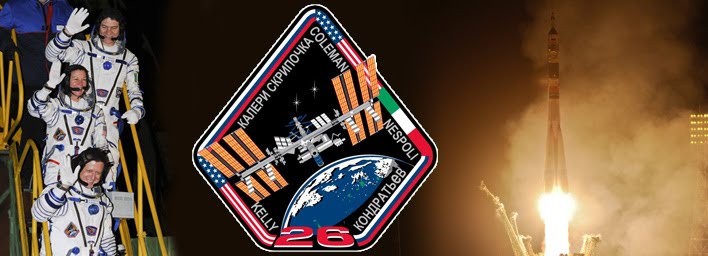
A new trio of Expedition 26 flight engineers blasted off Wednesday from the Baikonur Cosmodrome in Kazakhstan at 2:09 p.m. EST (1:09 a.m. Thursday, Baikonur time). Dmitry Kondratyev, Catherine Coleman and Paolo Nespoli are onboard the Soyuz TMA-20 spacecraft and headed for a docking with the International Space Station.

West Antarctica is Seeing Dramatic Ice Loss


Scientists have previously shown that West Antarctica is losing ice, but how that ice is lost remained unclear. Now, using data from Earth observing satellites and airborne science missions, scientists are closing in on ice loss culprits above and below the ice.

The findings, presented Dec. 15 at the fall meeting of the American Geophysical Union (AGU) in San Francisco, Calif., are expected to improve predictions of sea level rise.

Time Not Healing Glacial Wounds

A new analysis by Ted Scambos, a glaciologist at the National Snow and Ice Data Center in Boulder Colo., and colleagues found that more than a decade after two major Antarctic ice shelves collapsed, glaciers once buttressed by the shelves continue to lose ice.

Changes are most evident in the West Antarctic Ice Sheet and along the Antarctic Peninsula. A spine of mountains forces passing winds to give up their moisture as snow, feeding glaciers that in turn feed the ice shelves that jut out into the Southern Ocean. More than a decade ago, dramatic changes started affecting a series of ice shelves, collectively called Larsen, along the Peninsula's northeast coast. In 1995, Larsen A was the first to collapse followed by a larger loss of Larsen B in 2002. Today, a small piece of the Larsen B and the entirety of the vast Larsen C hang on.

Investigating how the glaciers have responded to the loss of these ice shelf "dams," Scambos and colleagues tracked elevation information using data from satellites such as NASA's Ice, Cloud and land Elevation Satellite (ICESat) and previous airborne missions. They show that between 2001 and 2006, glaciers feeding Larsen A and Larsen B lost 12 gigatons of ice loss per year, or 30 percent of all ice lost throughout the Peninsula.

Moreover, the continued draw down of glaciers, such as Drygalski Glacier, fifteen years after the loss of Larsen A, have set precedent for what to expect elsewhere. Losses by glaciers that fed the Larsen B, such as Crane Glacier, are likely to continue.

Scambos and a team of colleagues have now placed instruments on glaciers just south of the area where the shelves disintegrated, anticipating that further warming will lead to further glacier speed-ups. The instruments and new aircraft overflights will provide further insight into shelf break-up and the onset of ice acceleration.

Wind Matters

Further south is West Antarctica's Pine Island Glacier, another site of major ice loss presently draining more than 19 cubic miles of ice per year from the West Antarctic Ice Sheet. It continues to deteriorate rapidly and scientists want to know why.

By combining satellite and airborne data, Bob Bindschadler, a glaciologist with the Goddard Earth Sciences and Technology Center at NASA's Goddard Space Flight Center in Greenbelt, Md., has successfully gained more insight into interactions between the atmosphere, ocean and ice even though the data can’t reveal these connections directly.

Bindschadler and colleagues looked at images from the Landsat satellite and spotted a series of large surface undulations on the ice shelf. Next they matched the undulations with the timing of warm water pulses in the waters adjacent to the ice shelf. When surface winds are strong, they stir the Southern Ocean and lift the warm water onto the continental shelf where the additional heat contributes to melt.

Airborne data showed the ice shelf was up to 150 meters (492 feet) thinner when the warmer water was present, allowing Bindschadler’s team to establish a direct link between the rate of ice shelf melting and atmospheric wind speed. When the team accounted for the heat coming in and the ice lost, they concluded that only 22 percent of the heat is used in melting. Whether the remaining heat might melt additional ice is unknown, but it is clear that the atmospheric circulation has a strong role on the future of the ice shelf and the fate of the ice sheet inland. Stronger winds would lead to an acceleration of ice loss; weaker winds would have a stabilizing effect.

"In short, ice shelves are affected by what winds are doing," Bindschadler said. "As Antarctic Circumpolar winds continue to increase, ice shelves are at increasing risk."

Sunday, December 12, 2010

Enjoy The Best Meteor Shower of The Year


Baby, it's cold outside -- but you can still enjoy the best meteor shower of the year. The 2010 Geminid meteor shower promises to be lively, with realistic viewing rates of 50-80 meteors per hour and potential peaks reaching 120 meteors per hour. Anytime between Dec. 12-16 is a valid window for Geminid-watching, but the night of Dec. 13-14 is the anticipated peak.

About the Chats

You have two opportunities to learn more about the Geminids from meteor experts based at NASA's Marshall Space Flight Center. On Monday, Dec. 13 from 3:00 to 4:00 p.m. EST, meteor experts Danielle Moser and Rhiannon Blaauw will answer your questions, then you can stay "up all night" to observe the Geminids with NASA astronomer Bill Cooke. Have the coffee ready, then join them online from 11:00 p.m. to 5:00 a.m. EST as the Geminids peak in the skies over Earth.

Joining the chats is easy. Simply return to this page a few minutes before each of the chat start times list above. The chat module will appear at the bottom of this page. After you log in, wait for the chat module to be activated, then ask your questions. Here's to a spectacular viewing!

Live Camera Viewing of the Geminids

December can be an uncertain month for weather, but clouds and meteor-watching don't mix. To assist in the weather-workaround, NASA and meteor-observing partners are working on a network of live Web cameras that will watch the skies from different locations. Links for the live feeds will be available on this page on the night of Dec. 13-14 -- just in case your local weather is uncooperative or you decide not to brave the chilly December evening.

More About the Geminids

Geminids are pieces of debris from an object called 3200 Phaethon. Long thought to be an asteroid, Phaethon is now classified as an extinct comet. Basically it is the rocky skeleton of a comet that lost its ice after too many close encounters with the sun. Earth runs into a stream of debris from 3200 Phaethon every year in mid-December, causing meteors to fly from the constellation Gemini. When the Geminids first appeared in the late 19th century, shortly before the U.S. Civil War, the shower was weak and attracted little attention. There was no hint that it would ever become a major display.

WASP-12b is The First Carbon-Rich Planet


Astronomers have discovered that a huge, searing-hot planet orbiting another star is loaded with an unusual amount of carbon. The planet, a gas giant named WASP-12b, is the first carbon-rich world ever observed. The discovery was made using NASA's Spitzer Space Telescope, along with previously published ground-based observations.

"This planet reveals the astounding diversity of worlds out there," said Nikku Madhusudhan of the Massachusetts Institute of Technology, Cambridge, lead author of a report in the Dec. 9 issue of the journal Nature. "Carbon-rich planets would be exotic in every way -- formation, interiors and atmospheres."

It's possible that WASP-12b might harbor graphite, diamond, or even a more exotic form of carbon in its interior, beneath its gaseous layers. Astronomers don't currently have the technology to observe the cores of exoplanets, or planets orbiting stars beyond our sun, but their theories hint at these intriguing possibilities.

The research also supports theories that carbon-rich rocky planets much less massive than WASP-12b could exist around other stars. Our Earth has rocks like quartz and feldspar, which are made of silicon and oxygen plus other elements. A carbon-rich rocky planet could be a very different place.

"A carbon-dominated terrestrial world could have lots of pure carbon rocks, like diamond or graphite, as well as carbon compounds like tar," said Joseph Harrington of the University of Central Florida, in Orlando, who is the principal investigator of the research.

Carbon is a common component of planetary systems and a key ingredient of life on Earth. Astronomers often measure carbon-to-oxygen ratios to get an idea of a star's chemistry. Our sun has a carbon-to-oxygen ratio of about one to two, which means it has about half as much carbon as oxygen. None of the planets in our solar system is known to have more carbon than oxygen, or a ratio of one or greater. However, this ratio is unknown for Jupiter, Saturn, Uranus, and Neptune. Unlike WASP-12b, these planets harbor water -- the main oxygen carrier -- deep inside their atmospheres, making it hard to detect.

WASP-12b is the first planet ever to have its carbon-to-oxygen ratio measured at greater than one (the actual ratio is most likely between one and two). This means the planet has excess carbon, some of which is in the form of atmospheric methane.

"When the relative amount of carbon gets that high, it's as though you flip a switch, and everything changes," said Marc Kuchner, an astronomer at NASA Goddard Space Flight Center, Greenbelt, Md., who helped develop the theory of carbon-rich rocky planets but is not associated with the study. "If something like this had happened on Earth, your expensive engagement ring would be made of glass, which would be rare, and the mountains would all be made of diamonds."

Madhusudhan, Harrington and colleagues used Spitzer to observe WASP-12b as it slipped behind its star, in a technique known as secondary eclipse, which was pioneered for exoplanets by Spitzer. These data were combined with previously published observations taken from the ground with the Canada-France-Hawaii Telescope at Mauna Kea, Hawaii. Madhusudhan used the data to conduct a detailed atmospheric analysis, revealing chemicals such as methane and carbon monoxide in the planet's atmosphere.

WASP-12b derives its name from the consortium that found it, the Wide Angle Search for Planets. It is 1.4 times as massive as Jupiter and located roughly 1,200 light-years away from Earth. This blistering world whips around its star in a little over a day, with one side always facing the star. It is so close to its star that the star's gravity stretches the planet into an egg-like shape. What's more, the star's gravity is siphoning mass off the planet into a thin disk that orbits around with it.

The Spitzer data also reveal more information about WASP-12b's temperature. The world was already known to be one of the hottest exoplanets found so far; the new observations indicate that the side that faces the star is 2,600 Kelvin, or 4,200 degrees Fahrenheit. That's more than hot enough to melt steel.

Monday, December 06, 2010

Microorganisms able to thrive and reproduce using the toxic chemical


NASA-funded astrobiology research has changed the fundamental knowledge about what comprises all known life on Earth.

Researchers conducting tests in the harsh environment of Mono Lake in California have discovered the first known microorganism on Earth able to thrive and reproduce using the toxic chemical arsenic. The microorganism substitutes arsenic for phosphorus in its cell components.

"The definition of life has just expanded," said Ed Weiler, NASA's associate administrator for the Science Mission Directorate at the agency's Headquarters in Washington. "As we pursue our efforts to seek signs of life in the solar system, we have to think more broadly, more diversely and consider life as we do not know it."

This finding of an alternative biochemistry makeup will alter biology textbooks and expand the scope of the search for life beyond Earth. The research is published in this week's edition of Science Express.

Carbon, hydrogen, nitrogen, oxygen, phosphorus and sulfur are the six basic building blocks of all known forms of life on Earth. Phosphorus is part of the chemical backbone of DNA and RNA, the structures that carry genetic instructions for life, and is considered an essential element for all living cells.

Phosphorus is a central component of the energy-carrying molecule in all cells (adenosine triphosphate) and also the phospholipids that form all cell membranes. Arsenic, which is chemically similar to phosphorus, is poisonous for most life on Earth. Arsenic disrupts metabolic pathways because chemically it behaves similarly to phosphate.

"We know that some microbes can breathe arsenic, but what we've found is a microbe doing something new -- building parts of itself out of arsenic," said Felisa Wolfe-Simon, a NASA Astrobiology Research Fellow in residence at the U.S. Geological Survey in Menlo Park, Calif., and the research team's lead scientist. "If something here on Earth can do something so unexpected, what else can life do that we haven't seen yet?"

The newly discovered microbe, strain GFAJ-1, is a member of a common group of bacteria, the Gammaproteobacteria. In the laboratory, the researchers successfully grew microbes from the lake on a diet that was very lean on phosphorus, but included generous helpings of arsenic. When researchers removed the phosphorus and replaced it with arsenic the microbes continued to grow. Subsequent analyses indicated that the arsenic was being used to produce the building blocks of new GFAJ-1 cells.

The key issue the researchers investigated was when the microbe was grown on arsenic did the arsenic actually became incorporated into the organisms' vital biochemical machinery, such as DNA, proteins and the cell membranes. A variety of sophisticated laboratory techniques was used to determine where the arsenic was incorporated.

The team chose to explore Mono Lake because of its unusual chemistry, especially its high salinity, high alkalinity, and high levels of arsenic. This chemistry is in part a result of Mono Lake's isolation from its sources of fresh water for 50 years.

The results of this study will inform ongoing research in many areas, including the study of Earth's evolution, organic chemistry, biogeochemical cycles, disease mitigation and Earth system research. These findings also will open up new frontiers in microbiology and other areas of research.

"The idea of alternative biochemistries for life is common in science fiction," said Carl Pilcher, director of the NASA Astrobiology Institute at the agency's Ames Research Center in Moffett Field, Calif. "Until now a life form using arsenic as a building block was only theoretical, but now we know such life exists in Mono Lake."

The research team included scientists from the U.S. Geological Survey, Arizona State University in Tempe, Ariz., Lawrence Livermore National Laboratory in Livermore, Calif., Duquesne University in Pittsburgh, Penn., and the Stanford Synchroton Radiation Lightsource in Menlo Park, Calif.

NASA's Astrobiology Program in Washington contributed funding for the research through its Exobiology and Evolutionary Biology program and the NASA Astrobiology Institute. NASA's Astrobiology Program supports research into the origin, evolution, distribution, and future of life on Earth.

Thursday, December 02, 2010

A team of astronomers made the first characterizations of a super-Earth's atmosphere


A team of astronomers, including two NASA Sagan Fellows, has made the first characterizations of a super-Earth's atmosphere, by using a ground-based telescope. A super-Earth is a planet up to three times the size of Earth and weighing up to 10 times as much. The findings, reported in the Dec. 2 issue of the journal Nature, are a significant milestone toward eventually being able to probe the atmospheres of Earth-like planets for signs of life.

The team determined the planet, GJ 1214b, is either blanketed with a thin layer of water steam or surrounded by a thick layer of high clouds. If the former, the planet itself would have an icy composition. If the latter, the planet would be rocky or similar to the composition of Neptune, though much smaller.

"This is the first super-Earth known to have an atmosphere," said Jacob Bean, a NASA Sagan Fellow and astronomer at the Harvard-Smithsonian Center for Astrophysics in Cambridge, Mass. "But even with these new measurements, we can't say yet what that atmosphere is made of. This world is being very shy and veiling its true nature from us."

GJ 1214b, first discovered in December 2009, is 2.7 times the size of Earth and 6.5 times as massive. Previous observations of the planet's size and mass demonstrated it has a low density for its size, leading astronomers to conclude the planet is some kind of solid body with an atmosphere.

The planet orbits close to its dim star, at a distance of 0.014 astronomical units. An astronomical unit is the distance between Earth and the sun, approximately 93 million miles. GJ 1214b circles too close to its star to be habitable by any life forms.

Bean and his team observed infrared light as the planet crossed in front of its star. During such transits, the star's light filters through the atmosphere. Gases absorb the starlight at particular wavelengths, leaving behind chemical fingerprints detectable from Earth. This same type of technique has been used to study the atmospheres of distant "hot Jupiters," or Jupiter-like planets orbiting close to their stars, and found gases like hydrogen, methane and sodium vapor.

In the case of the super-Earth, no chemical fingerprints were detected; however, this doesn't mean there are no chemicals present. Instead, this information ruled out some possibilities for GJ 1214b's atmosphere, and narrowed the scope to either an atmosphere of water steam or high clouds. Astronomers believe it's more likely the atmosphere is too thin around the planet to let enough light filter through and reveal chemical fingerprints.

"A steamy atmosphere would have to be very dense – about one-fifth water vapor by volume -- compared to our Earth, with an atmosphere that's four-fifths nitrogen and one-fifth oxygen with only a touch of water vapor," Bean said. "During the next year, we should have some solid answers about what this planet is truly like."

The team, which included Bean's co-authors -- Eliza Miller-Ricci Kempton, a NASA Sagan Fellow at the University of California in Santa Cruz, and Derek Homeier of the Institute for Astrophysics in Gottingen, Germany -- examined GJ 1214b using the ground-based Very Large Telescope at Paranal Observatory in Chile.

"This is an important step forward, narrowing our understanding of the atmosphere of this planet," said NASA Exoplanet Exploration Program Scientist Douglas Hudgins at NASA Headquarters in Washington. "Bizarre worlds like this make exoplanet science one of the most compelling areas in astrophysics today."

The Sagan Fellowship Program is administered by the NASA Exoplanet Science Institute at the California Institute of Technology in Pasadena. Its purpose is to advance the scientific and technical goals of NASA's Exoplanet Exploration Program. The program is managed for NASA by the Jet Propulsion Laboratory in Pasadena, Calif. Caltech manages JPL for NASA.

Friday, November 26, 2010

Soyuz Soyuz Spacecraft Lands in Kazakhstan


Expedition 25 landed safely in Kazakhstan at 11:46 p.m. EST Thursday (Friday 10:46 a.m. Kazakhstan time). The trio -- Doug Wheelock, Shannon Walker and Soyuz Commander Fyodor Yurchikhin -- undocked in the Soyuz TMA-19 at 8:23 p.m. ending their 5-1/2 month stay at the International Space Station.

Wheelock has spent 178 days in space on his two missions (15 days on STS-120). Walker spent 163 days in space on this, her first mission. Each spent 161 days aboard the station as members of Expedition 24/25.

Yurchikhin has 371 total days in space (163 during Expedition 24/25). He was also a flight engineer during Expedition 15 (197 days) and a mission specialist for STS-112 (11 days).

Staying behind on the orbiting laboratory are Expedition 26 Commander Scott Kelly and Flight Engineers Alexander Kaleri and Oleg Skripochka. Their increment officially began when the Soyuz TMA-19 undocked.

The departing Expedition 25 crew spent its final days packing gear for the return home as well as reviewing and training for its landing procedures. They also participated in the usual station science and maintenance activities.


The crew members remaining behind prepared for their handover activities all week. They reviewed emergency procedures as the outgoing station residents transitioned into their new roles. They also continued station science activities such as collecting and storing blood samples for the Human Research Facility.

Sunday, November 21, 2010

Build the Future Students used LEGOs to 'Build the Future' at NASA's Kennedy Space Center


Students used LEGOs to 'Build the Future' at NASA's Kennedy Space Center in Cape Canaveral, Fla. on Wednesday, Nov. 3, 2010. The 'Build the Future' event was part of pre-launch activities for the STS-133 mission.

NASA and The LEGO Group signed a Space Act Agreement that features educational games and activities designed to spark children's interest in science, technology, engineering and math.

NASA's FASTSAT Launches Successfully


On Saturday, Nov. 20, FASTSAT made contact with ground stations at Svalbard, Norway and Kodiak, Alaska, and received commands from and communicated with mission controllers at the small satellite command center located at the Huntsville Operations and Science Control Center at NASA's Marshall Space Flight Center in Huntsville, Ala. The satellite continues to function nominally as the commissioning phase of the mission continues.

NASA's Fast, Affordable, Science and Technology Satellite, or FASTSAT, launched on Nov. 19 aboard a Minotaur IV rocket from Kodiak Launch Complex on Kodiak Island, Alaska. FASTSAT is a unique platform that can carry multiple small payloads to low-Earth orbit creating opportunities for researchers to conduct low-cost scientific and technology research on an autonomous satellite in space.

Astronomers Found Youngest Nearby Black Hole


Astronomers using NASA's Chandra X-ray Observatory have found evidence of the youngest black hole known to exist in our cosmic neighborhood. The 30-year-old black hole provides a unique opportunity to watch this type of object develop from infancy.

The black hole could help scientists better understand how massive stars explode, which ones leave behind black holes or neutron stars, and the number of black holes in our galaxy and others.

The object is a remnant of SN 1979C, a supernova in the galaxy M100 approximately 50 million light years from Earth. Even though the light from the supernova took this long to reach Chandra, researchers see the object as it appeared when it was just 30-years-old. A helpful analogy is to imagine taking a picture of a baby and mailing across oceans. No matter how long it took to receive the picture, you would still see the image of a baby.

Data from Chandra, NASA's Swift satellite, the European Space Agency's XMM-Newton and the German ROSAT observatory revealed a bright source of X-rays that has remained steady during observation from 1995 to 2007. This suggests the object is a black hole being fed either by material falling into it from the supernova or a binary companion.

"If our interpretation is correct, this is the nearest example where the birth of a black hole has been observed," said Daniel Patnaude of the Harvard-Smithsonian Center for Astrophysics in Cambridge, Mass. who led the study.

The scientists think SN 1979C, first discovered by an amateur astronomer in 1979, formed when a star about 20 times more massive than the sun collapsed. Many new black holes in the distant universe previously have been detected in the form of gamma-ray bursts (GRBs). However, SN 1979C is different because it is much closer and belongs to a class of supernovas unlikely to be associated with a GRB. Theory predicts most black holes in the universe should form when the core of a star collapses and a GRB is not produced.

"This may be the first time the common way of making a black hole has been observed," said co-author Abraham Loeb, also of the Harvard-Smithsonian Center for Astrophysics. "However, it is very difficult to detect this type of black hole birth because decades of X-ray observations are needed to make the case."

The idea of a black hole with an observed age of only about 30 years is consistent with recent theoretical work. In 2005, a theory was presented that the bright optical light of this supernova was powered by a jet from a black hole that was unable to penetrate the hydrogen envelope of the star to form a GRB. The results seen in the observations of SN 1979C fit this theory very well.

Although the evidence points to a newly formed black hole in SN 1979C, another intriguing possibility is that a young, rapidly spinning neutron star with a powerful wind of high energy particles could be responsible for the X-ray emission. This would make the object in SN 1979C the youngest and brightest example of such a "pulsar wind nebula" and the youngest known neutron star. The Crab pulsar, the best-known example of a bright pulsar wind nebula, is about 950 years old.

"It's very rewarding to see how the commitment of some of the most advanced telescopes in space, like Chandra, can help complete the story," said Jon Morse, head of the Astrophysics Division at NASA's Science Mission Directorate.

The results will appear in the New Astronomy journal in a paper by Patnaude, Loeb, and Christine Jones of the Harvard-Smithsonian Center for Astrophysics. NASA's Marshall Space Flight Center in Huntsville, Ala., manages the Chandra program for the agency's Science Mission Directorate in Washington. The Smithsonian Astrophysical Observatory controls Chandra's science and flight operations from Cambridge.

NASA's Mars Exploration Rover Images Honor Apollo 12


NASA's Mars Exploration Rover Opportunity has visited and photographed two craters informally named for the spacecraft that carried men to the moon 41 years ago this week.

Opportunity drove past "Yankee Clipper" crater on Nov. 4 and reached "Intrepid crater" on Nov. 9. For NASA's Apollo 12, the second mission to put humans onto the moon, the command and service module was called Yankee Clipper, piloted by Dick Gordon, and the lunar module was named Intrepid, piloted by Alan Bean and commanded by the late Pete Conrad. The Intrepid landed on the moon with Bean and Conrad on Nov. 19, 1969, while Yankee Clipper orbited overhead. Their landing came a mere four months after Apollo 11's first lunar landing.

This week, Bean wrote to the Mars Exploration Rover team: "I just talked with Dick Gordon about the wonderful honor you have bestowed upon our Apollo 12 spacecraft. Forty-one years ago today, we were approaching the moon in Yankee Clipper with Intrepid in tow. We were excited to have the opportunity to perform some important exploration of a place in the universe other than planet Earth where humans had not gone before. We were anxious to give it our best effort. You and your team have that same opportunity. Give it your best effort."

Rover science team member James Rice, of NASA's Goddard Space Flight Center, Greenbelt, Md., suggested using the Apollo 12 names. He was applying the rover team's convention of using names of historic ships of exploration for the informal names of craters that Opportunity sees in the Meridian Planum region of Mars.

"The Apollo missions were so inspiring when I was young, I remember all the dates. When we were approaching these craters, I realized we were getting close to the Nov. 19 anniversary for Apollo 12," Rice said. He sent Bean and Gordon photographs that Opportunity took of the two craters.

The images are available online at http://photojournal.jpl.nasa.gov/catalog/PIA13593 and http://photojournal.jpl.nasa.gov/catalog/PIA13596. Intrepid crater is about 20 meters (66 feet) in diameter. Yankee Clipper crater is about half that width.

After a two-day stop to photograph the rocks exposed at Intrepid, Opportunity continued on a long-term trek toward Endeavour crater, a highly eroded crater about 1,000 times wider than Intrepid. Endeavour's name comes from the ship of James Cook's first Pacific voyage.

During a drive of 116.9 meters (383.5 feet) on Nov. 14, Opportunity's "odometer" passed 25 kilometers (15.53 miles). That is more than 40 times the driving-distance goal set for Opportunity to accomplish during its original three-month prime mission in 2004.

Mars Exploration Project Manager John Callas, of NASA's Jet Propulsion Laboratory, Pasadena, Calif., said, "Importantly, it's not how far the rovers have gone but how much exploration and science discovery they have accomplished on behalf of all humankind."

At the beginning of Opportunity's mission, the rover landed inside "Eagle crater," about the same size as Intrepid crater. The team's name for that landing-site crater paid tribute to the lunar module of Apollo 11, the first human landing on the moon. Opportunity spent two months inside Eagle crater, where it found multiple lines of evidence for a wet environment in the area's ancient past.

The rover team is checking regularly for Opportunity's twin, Spirit, in case the increasing daily solar energy available at Spirit's location enables the rover to reawaken and resume communication. No signal from Spirit has been received since March 22. Spring began last week in the southern hemisphere of Mars.

Tuesday, November 09, 2010

Discovery's Launch Postponed Next possible launch might be Nov. 30


Engineers met in a series of meetings today to discuss inspection and repair options for space shuttle Discovery’s ground umbilical carrier plate (GUCP) and a crack in the external fuel tank foam insulation. Discovery's launch was postponed Friday until at least Nov. 30 because of a hydrogen gas leak at the GUCP. Technicians at NASA’s Kennedy Space Center in Florida have been measuring the alignment of the plate on the external tank and performing leak checks. Crews expect to begin disconnecting the GUCP Tuesday afternoon after disconnecting the hydrogen vent line that attaches to the GUCP. Managers will assess repair options after the disconnected GUCP is inspected. Teams also have begun analysis and inspection of the approximately 20-inch long crack in the external tank foam. Teams are planning to use terahertz or backscatter scans to see beneath the foam to look for any other potential issues. As soon as Wednesday, technicians could begin dissecting the cracked section so foam experts can make a thorough evaluation in order to help determine the cause of the crack. Teams still are working out plans to reapply foam to the external tank after inspections are complete. Shuttle managers continue evaluating the data to determine the best repair methods and next launch opportunity for Discovery’s STS-133 mission to the International Space Station.

International Space Station, to inspire the next generation


LEGO bricks aren't just for kids, and they aren't just for Earth, either.

Astronauts on board the International Space Station will build small model spacecraft and working objects in orbit and share the experience with schoolchildren watching on Earth.

The students will build some of the same things in their own classrooms and see firsthand how differently objects behave in space, where there is practically no gravity, compared to the familiar world of Earth.

The project is one of the first steps in a three-year partnership between NASA and the Denmark-based The LEGO Group , maker of the ubiquitous plastic bricks that have been covering children's playroom floors for decades.

"We're going to use the classroom of space, the International Space Station, to inspire the next generation," said Leland Melvin, associate administrator for NASA Education and a former astronaut. Melvin flew two shuttle flights, spending time at the station during both missions. He joined LEGO officials Nov. 1 at NASA's Kennedy Space Center in Florida to announce the partnership.

Two small LEGO shuttles are packed inside Discovery for the STS-133 launch to promote the new partnership. They are expected to stay in their lockers, but astronauts may pull them out during the mission if they have time, said Debbie Biggs, an education specialist for International Space Station National Lab Education Projects.

NASA's fundamental goal is to use the partnership to inspire children to learn about science, technical fields, engineering and math. Known as STEM education, the focus has been a priority for the agency throughout this year's "Summer of Innovation."

Stephan Turnipseed, president of LEGO Education North America, said LEGO is the right partner because the bricks encourage kids to develop their inner engineer.

"Children think with their hands," Turnipseed said.

Astronaut Dan Tani, a veteran shuttle flier and station resident, agreed.

"LEGO taught me a lot of things about how things are built, what makes sense in terms of structure," said Tani, who brought his daughter to the LEGO activity tent. "I don't think I'd have been as good an engineer if it had not been for things like LEGO and construction kinds of toys."

There were plenty of children who thought so, too. Visiting LEGO's activity tent at one of the launch viewing sites at Kennedy on Wednesday, kids took to 1 ton of bricks and specialized pieces with barely any instructions. They quickly constructed spacecraft of all shapes, some small with launch facilities, others large replicas of the space shuttle. Some made a run at imagining colonies on the moon or Mars.

"You can make anything you want," said Tanner, a nine-year-old who has been building LEGO sets for years.

Melvin and Turnipseed were delighted with the kids' enthusiasm. They even joined in the building.

"This is showing what happens when we give kids a challenge, give them a tool that allows them to express their response to that challenge, their ideas," Turnipseed said.

LEGO and NASA still are working on lesson plans for students that will coincide with the work the astronauts perform in space, Biggs said. Some of the plans may even have the students challenge the astronaut to see who can build something quicker.

Astronaut Cady Coleman, in training for a mission to the International Space Station later this year, is slated to be the first astronaut enlisted to build LEGO objects in space.

Space shuttle Endeavour will carry nine specialized kits to the station in February during the STS-134 mission. Working with them inside a see-through glove box so the small pieces don't get lost in the station, Coleman will assemble LEGO blocks into models and working machines.

She already is practicing with some of the kits with her son and even picking up tips from other kids.

Melvin said the LEGO partnership is crucial for NASA's education mission because the blocks invite children to think, basically, like engineers. After all, building with the toys means deciding what kind of shape to make, what combination of blocks together make that shape the best and what can the thing do when it's finished. They also come up with designs that will be stronger depending on how the bricks are aligned with each other.

LEGO also is releasing four kits to the public based on NASA spacecraft and missions. Rather than being a part of a line of science fiction or fantasy toy kits, though, the NASA sets are being marketed as part of the company's "CITY" line, which calls on kids to build things that are part of everyday life.

"We believe that space, that space exploration, the fact that we have satellites in the air, it is a part of everyday life," Turnipseed said. "The children get it, they understand the importance of what we're doing."

"Space is permeated into everything we do," Melvin said.

Engineers at NASA's Jet Propulsion Laboratory Assessing Cassini Spacecraft


Engineers at NASA's Jet Propulsion Laboratory, Pasadena, Calif., are working to understand what caused NASA's Cassini spacecraft to put itself into "safe mode," a precautionary standby mode. Cassini entered safe mode around 4 p.m. PDT (7 p.m. EDT) on Tuesday, Nov. 2.

Since going into safe mode, the spacecraft has performed as expected, suspending the flow of science data and sending back only data about engineering and spacecraft health. Cassini is programmed to put itself into safe mode automatically any time it detects a condition on the spacecraft that requires action from mission controllers on the ground.

Engineers say it is not likely that Cassini will be able to resume full operations before a planned Nov. 11 flyby of Saturn's moon Titan. But Cassini has 53 more Titan flybys planned in its extended mission, which lasts until 2017.

"The spacecraft responded exactly as it should have, and I fully expect that we will get Cassini back up and running with no problems," said Bob Mitchell, Cassini program manager based at JPL. "Over the more than six years we have been at Saturn, this is only the second safing event. So considering the complexity of demands we have made on Cassini, the spacecraft has performed exceptionally well for us."

Since Cassini launched in 1997, Cassini has put itself into safe mode a total of six times.

The Cassini-Huygens mission is a cooperative project of NASA, the European Space Agency and the Italian Space Agency. The Jet Propulsion Laboratory, a division of the California Institute of Technology in Pasadena, manages the mission for NASA's Science Mission Directorate, Washington.

Monday, November 01, 2010

Space Shuttle Discovery Mission Now Targeted for Wednesday


The official countdown clock began ticking backward at 2 p.m. EDT Sunday. Launch is targeted for Wednesday, Nov. 3 at 3:52 p.m. NASA Test Director Steve Payne said this morning that the work to repair the leaks is complete, the system is repressurized and work is on schedule for Discovery’s launch.

The Mission Management Team plan to meet Monday morning with a Pre-launch News Conference scheduled to follow at 11 a.m. The new conference will be carried live on NASA Television and at www.nasa.gov/ntv.

The weather forecast remains at 70 percent chance of favorable conditions at launch time.